 How-to
How to Understand Roll Up Door Warranty Coverage
Last Updated: November 19, 2026
Quick Summary
A roll up door warranty covers manufacturing defects in parts and materials, while installer workmanship warranties cover mistakes made during installation. Coverage varies by component, with hardware often covered for six years, springs for three years, and labor for only one year in many cases. Exclusions such as normal wear and unauthorized repairs can deny claims, so check the written terms.
- Manufacturer warranties cover factory defects; installer warranties cover installation mistakes.
- Hardware is typically covered for six years, while springs are typically covered for three years.
- Labor for defective parts is often covered for only one year from installation.
- Unauthorized repairs and skipped maintenance can void coverage on related components.
- Photograph the serial plate at installation, since a missing serial number can stall a claim.
Table of Contents
- What a Roll Up Door Warranty Actually Covers
- Roll-Up Door Warranty Length by Component
- Roll-Up Door Warranty Exclusions and What Voids Coverage
- Roll-Up Door Warranty Registration and Documentation Checklist
- How to File a Roll-Up Door Warranty Claim
- Warranty Transferability and Climate-Specific Exclusions
- Get Your Warranty Questions Answered Before You Order
- Frequently Asked Questions
What a Roll Up Door Warranty Actually Covers
Roll up door warranty coverage is the set of promises a manufacturer or installer makes about what they will repair or replace after a door is bought. At Roll Up Doors Direct, we see the same confusion again and again: buyers assume "warranty" means everything is covered for a long time. It rarely does. Knowing the split between what is covered and what is not will save you time and money later.
Garage doors can account for 30 to 40 percent of a home's visible facade (C.H.I. Overhead Doors industry analysis on residential exterior components). That makes the door a big visual investment, so protecting it matters.
Manufacturer Defects vs. Installation Workmanship
Two kinds of coverage matter most, and they are not the same thing.
- Manufacturer warranty: covers defects in the materials and parts the factory built.
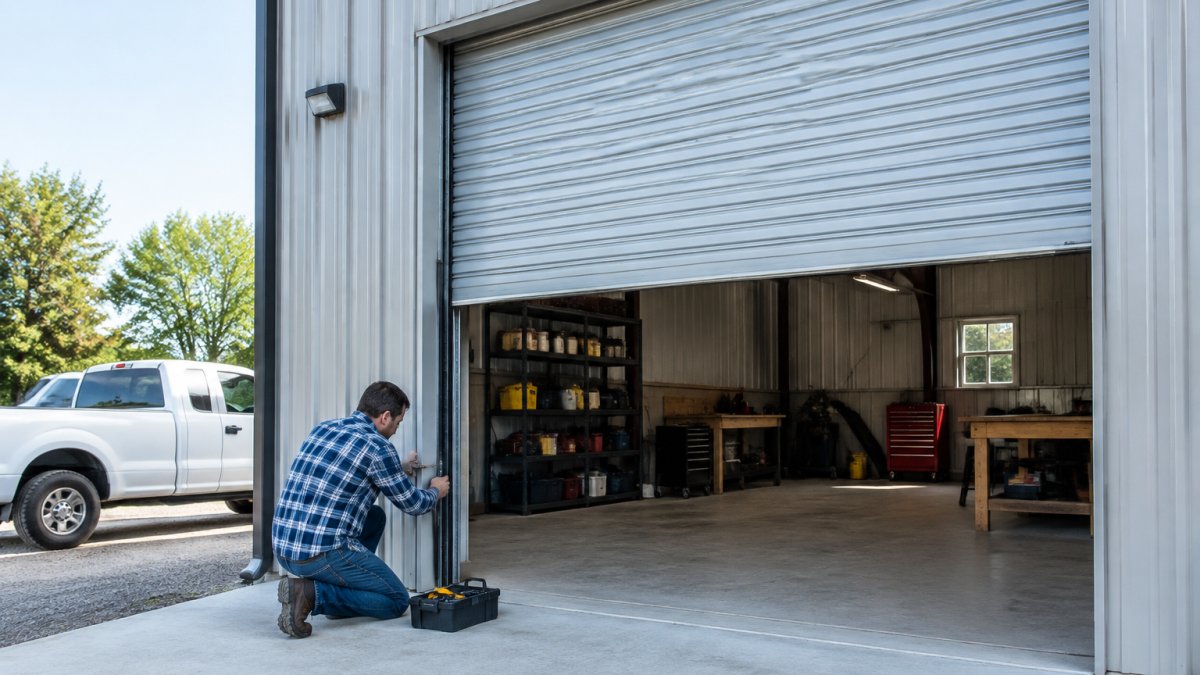
- Installer workmanship warranty: covers mistakes made while the door was put in place.
Industry guides stress that homeowners need to tell these apart (Top Doors guide on warranty types). A bent slat from the factory falls under the manufacturer. A track set out of alignment during installation falls under the installer.
Roll-Up Door Warranty Length by Component
Coverage is not one number. Each part has its own clock.
- Hardware: typically covered for six years (C.H.I. Overhead Doors warranty benchmarks).
- Springs: typically covered for three years.
- Tracks, hinges, rollers, drums, and brackets: typically covered for one to five years, depending on the grade of the product (Royal Garage Door Repairs coverage ranges).
Some terms have changed recently. One manufacturer states that components other than springs are warranted for five years on doors purchased after April 1, 2026 (Midland Garage Door warranty terms). Always check the terms on your own receipt, since these periods differ from brand to brand.
Parts, Labor, and Trip Charges After the First Year
Labor is where most owners get surprised.
- Labor for repairing defective parts is often covered for only one year from installation (Overhead Door Corporation labor warranty standard).
- After that, parts may still be under warranty, but labor and trip charges fall to you.
So a spring can be covered while the technician's visit is not. Budget for the service call even when the part itself is free.
Roll-Up Door Warranty Exclusions and What Voids Coverage
Exclusions and voids are two different things, and mixing them up is the most common reason a claim gets denied. An exclusion is a condition the warranty never promised to cover in the first place. A void is an action or omission by the owner that cancels coverage on the whole door or on a specific component. Read both lists before you assume a failure is covered.
Common exclusions
Most manufacturer warranties for steel roll-up doors exclude:
- Normal wear and tear on slats, rollers, cables, and finish
- Damage from impact, storms, flooding, or forced operation
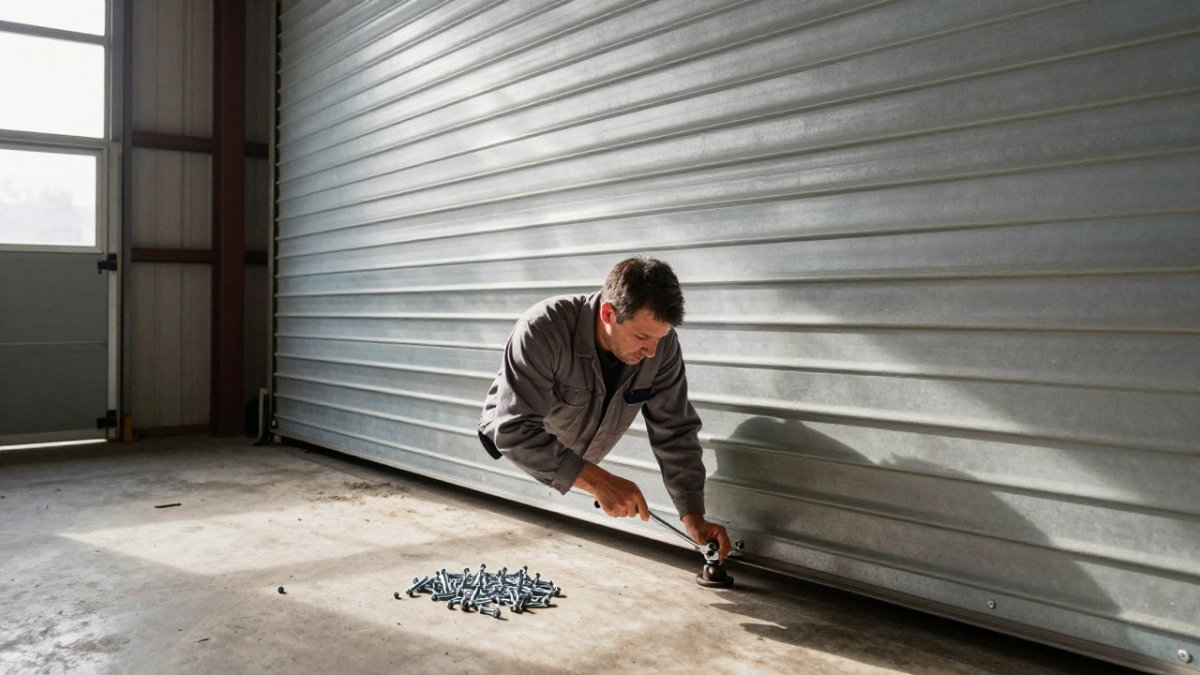
- Repairs or modifications performed by anyone not authorized by the manufacturer
- Lack of routine maintenance, such as never lubricating moving parts or never adjusting tension
- Installation that departs from the manufacturer's written instructions
- Cosmetic issues that do not affect operation, such as minor finish fading or surface scratches
- Damage from painting, coating, or attaching aftermarket hardware without approval
What actually voids coverage
A void is usually triggered by something the owner did or failed to do. The patterns that show up most often:
- Self-installation outside the manufacturer's instructions. This is the gap most guides skip. Many manufacturers tie warranty validity to installation by a qualified professional or to documented compliance with their installation manual. If you install the door yourself, keep the manual, photograph each step, and confirm in writing with the manufacturer that self-installation does not void coverage on the components you care about. Some brands allow it; others do not.
- Unauthorized repairs. A technician who is not approved by the manufacturer replaces a spring or rewires a motor, and the related component coverage is gone.
- Skipped maintenance. If the warranty requires annual lubrication or tension checks and you have no record of them, a spring or cable failure can be denied.
- Structural changes. Cutting, welding, or modifying the door or track to fit an opening can void coverage on the affected assembly.
- Improper storage or handling before installation. Doors stored on their side or exposed to standing water can fail early, and manufacturers often exclude damage that occurred before the door was hung.
Watch out: an unauthorized repair can affect coverage, so confirm the scope with the manufacturer before anyone other than an approved technician works on the door.
Climate-specific exclusions
Weather is where exclusions get personal. Heavy snow loads, coastal salt air, and extreme heat all accelerate wear on springs, finishes, and hardware, and many warranties exclude damage the manufacturer classifies as outside normal use. If you are near the coast, ask specifically how salt-air corrosion is treated. If you are in a heavy-snow region, ask whether snow-load damage is covered or excluded. The answer changes by brand and by product line, so get it in writing before you order.
The table below sorts the common exclusions and the actions that can void coverage, so you can check a claim against the list before you file.
| Issue | Type | Note |
|---|---|---|
| Normal wear and tear on slats, rollers, cables, finish | Exclusion | Never promised coverage |
| Impact, storm, flood, or forced operation damage | Exclusion | Not a defect |
| Cosmetic fading or surface scratches | Exclusion | Does not affect operation |
| Self-installation outside manufacturer instructions | Void risk | Confirm in writing with manufacturer |
| Unauthorized repairs by non-approved technician | Void risk | Voids related component coverage |
| Skipped routine maintenance | Void risk | Keep lubrication and tension records |
| Cutting, welding, or modifying the door or track | Void risk | Voids affected assembly coverage |
| Improper storage before installation | Void risk | Exposure to standing water can fail doors early |
Roll-Up Door Warranty Registration and Documentation Checklist
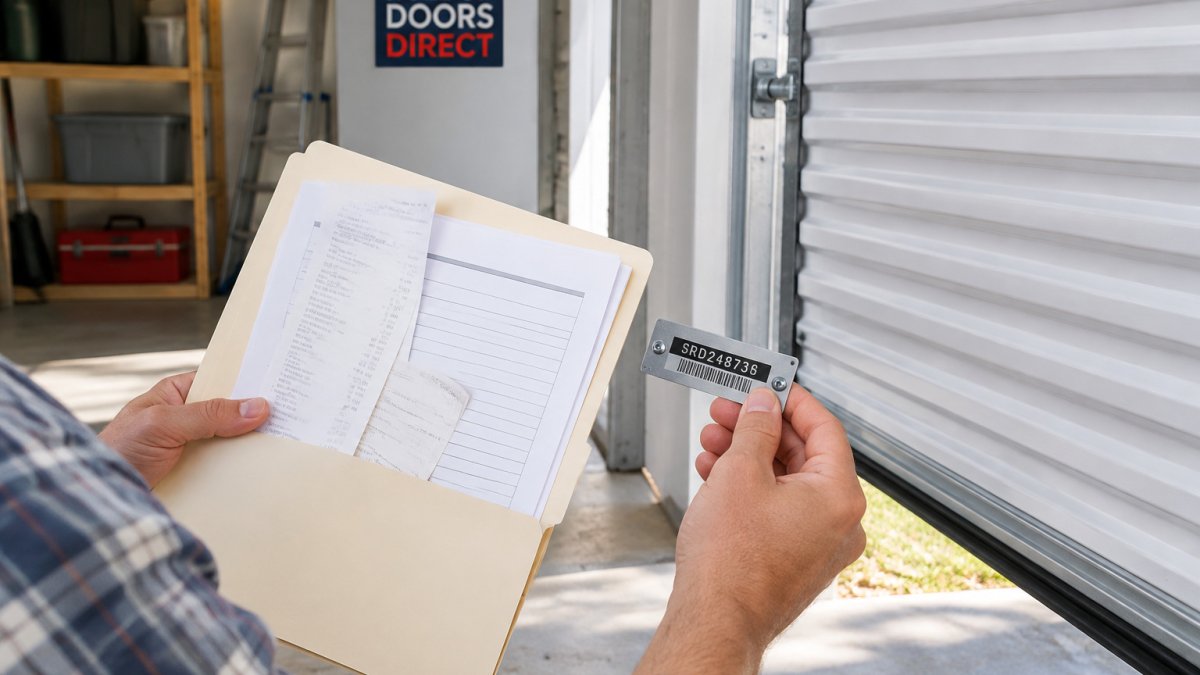
Good records make claims faster. Keep these items together in one folder:
- Proof of purchase and the invoice
- Door serial number and model number
- Warranty registration confirmation, if one was required
- Installation date and installer name
- Dated photos of the door, especially after any repair
- Notes on routine maintenance, such as lubrication dates
Watch out: a missing serial number can stall a claim, so photograph the serial plate when the door is installed.
How to File a Roll-Up Door Warranty Claim
The claim process is where most owners lose time, not money. A clean claim moves in days; a sloppy one stalls for weeks. Follow this order.
Step 1: Classify the failure
Decide whether the problem is a product defect or an installation issue. A bent slat or a failed spring with no impact damage points to the manufacturer. A track out of alignment, a door that binds, or a motor wired incorrectly points to the installer. Getting this wrong sends your claim to the wrong party and restarts the clock.
Step 2: Pull your documentation
Have these ready before you call:
- Proof of purchase and the invoice
- Door serial number and model number
- Warranty registration confirmation, if one was required
- Installation date and installer name
- Dated photos of the failure, plus a photo of the serial plate
- Maintenance records, such as lubrication dates
Watch out: a missing serial number is the single most common reason a claim stalls, so photograph the serial plate the day the door is installed and store it with the invoice.
Step 3: Contact the right party first
Call the seller or manufacturer, not both at once. Describe the failure in plain terms, give the serial number, and ask which party owns the claim. Ask whether a technician must inspect the door before any repair is authorized. Get the claim or ticket number in writing.
Step 4: Document every interaction
Keep a written log of every call, email, and visit, with dates and names. If a technician inspects the door, ask for the inspection report. If a repair is approved, confirm in writing whether parts, labor, and trip charges are covered before the work begins.
Step 5: Escalate if the claim stalls
If the claim goes quiet, ask for the manufacturer's written warranty dispute process. Most brands have one, and a written escalation usually moves faster than a phone call.
Transferability: does the warranty follow the door?
This is the question most guides ignore, and it matters at sale. Whether a roll-up door warranty transfers to a new owner depends entirely on the written terms. Some policies stay with the original purchaser and expire at sale. Others allow transfer to a subsequent owner if the transfer is requested in writing within a set window and the door has been maintained. If you are buying or selling a property with a roll-up door, ask for the warranty document and the transfer clause before closing, not after. A warranty that does not transfer is worth nothing to the buyer, and a warranty that does transfer is a selling point worth documenting.
Warranty Transferability and Climate-Specific Exclusions
Many buyers sell a home or property with a roll-up door still installed. Whether the warranty moves with it depends on the written terms. Some policies stay with the original purchaser, while others allow transfer under set conditions. Ask before you sell, not after.
Climate matters too. Heavy snow, coastal salt air, and extreme heat can all speed wear on springs, finishes, and hardware. Some warranties exclude damage tied to conditions the manufacturer considers outside normal use, so review how the terms address your local weather.
Get Your Warranty Questions Answered Before You Order
Before you buy, ask the supplier for the written warranty, the labor terms, and the claim process. Our team at Roll Up Doors Direct can walk you through the coverage for the specific door you are considering. You can also see our full range of roll up door options and compare the cost of a door with its warranty protection against installed pricing in our 8x8 roll up door cost guide.
For a more detailed look at checking supplier credentials, read our guide to verifying online door suppliers.
Frequently Asked Questions
What is the normal warranty on a roll-up door?
Coverage varies by manufacturer and component. Warranty periods differ by component and by manufacturer. Always confirm the exact periods for each part and for labor in the written warranty before you buy.
What can void a roll-up door warranty?
Warranties generally do not cover damage from improper installation, normal wear and tear, impact damage, neglect, or modifications made without manufacturer approval. Failing to perform basic preventative maintenance, such as lubricating moving parts and keeping tracks clear, can also weaken a claim. Because terms differ, read the exclusions section of your warranty and keep records showing the door was installed and maintained as the manufacturer directs.
How do you file a roll-up door warranty claim?
Start by gathering your proof of purchase, the door's serial number, and your warranty registration confirmation. Describe the problem and include clear photos. Contact the manufacturer or the authorized dealer who sold the door, and request a service call if the issue appears to be a defect. Expect a technician to inspect the door and determine whether the failure falls under parts coverage, labor coverage, or an exclusion. Keep copies of every communication.
What information do you need to register or claim a door warranty?
Most claims require the door's serial number, the purchase date, proof of purchase such as an invoice, the installer's name if the door was professionally installed, and a description of the failure with photos. Register the warranty promptly after installation where the manufacturer requires it, since some coverage depends on timely registration. Store these records together so they are available when a claim is needed.