 listicle
Pre-Assembled Roll-Up Doors: 5 Models to Buy Online
Table of Contents
- Pre-Assembled Roll-Up Doors: What You Get Right Out of the Box
- Quick Comparison Table: Pre-Assembled Models at a Glance
- Roll Up Doors Direct: Wind-Rated Pre-Assembled Doors for Any Opening
- IDEAL DOOR Models 200M and 400M: Mini-Storage and Heavy-Duty Options
- Clopay Roll-Up Garage Door: Non-Insulated 26-Gauge Steel Design
- Pre-Assembled Industrial Doors: Push-Up Operation with Brackets and Tensioner
- How to Choose the Right Pre-Assembled Roll-Up Door by Size and Use Case
- Understanding Roll-Up Door Suppliers and Where to Buy
- Frequently Asked Questions
Last Updated: October 21, 2026
Pre-Assembled Roll-Up Doors: What You Get Right Out of the Box
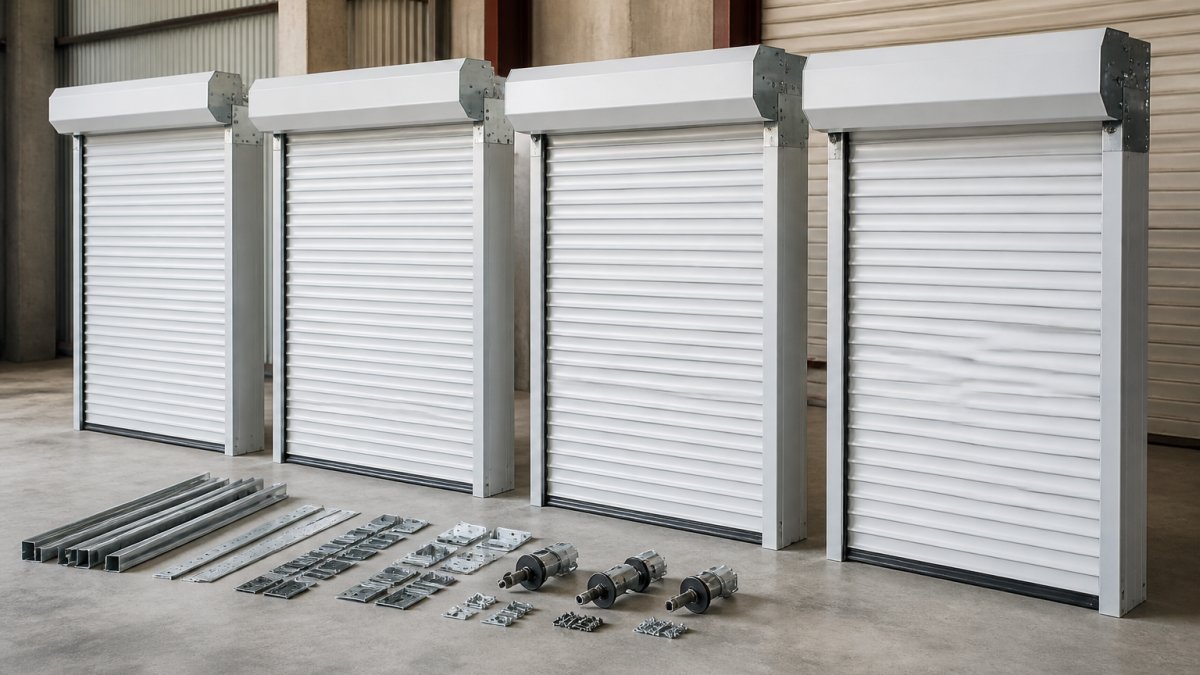
When you buy pre-assembled roll-up doors, you're purchasing a door that arrives with the heavy lifting already done. The brackets are mounted. The tensioner is installed. The drum assembly comes ready to hang. This matters because installation time and labor costs drop significantly compared to doors that require on-site assembly.
Pre-assembled roll-up doors serve commercial warehouses, self-storage facilities, residential garages, and industrial loading docks. They're available in standard sizes up to 10 feet wide by 10 feet high, with wind-load ratings for high-traffic environments (Roll-Up Doors). At Roll Up Doors Direct, we've built our entire operation around this principle: reduce complexity at the factory so your team spends less time on the job site.
The market for roll-up doors is growing. According to Dataintelo's Roll-Up Doors Market Research Report, the global roll-up doors market was valued at approximately $3.25 billion in 2025 and is projected to reach $5.15 billion by 2034. That growth reflects a simple reality: businesses prefer doors that install fast and perform reliably.
But pre-assembled doesn't mean zero installation work. You'll still need to measure your opening carefully, verify fit, handle the door during delivery, and secure it properly. The difference is measured in hours, not days.
Quick Comparison Table: Pre-Assembled Models at a Glance
| Model Type | Best For | Key Features | Typical Size Range |
|---|---|---|---|
| Light-Duty Pre-Assembled | Residential sheds, garages | Pre-mounted brackets, manual push-up | Up to 10'W × 10'H |
| Wind-Rated Pre-Assembled | Commercial warehouses, loading docks | Certified wind load, heavy-duty hardware | Up to 10'W × 10'H |
| Mini-Storage Models | Self-storage facilities | Durable 26-gauge steel, quick cycles | Standard storage sizes |
| Industrial Push-Up Doors | High-traffic industrial spaces | Pre-assembled brackets and tensioner | Custom orders available |
Roll Up Doors Direct: Wind-Rated Pre-Assembled Doors for Any Opening
Roll Up Doors Direct specializes in pre-assembled roll-up doors that arrive ready to install. Our wind-load-rated options meet the demands of commercial environments where weather resistance and durability are non-negotiable.
We offer doors in multiple sizes and configurations. According to our product listings, Roll Up Doors Direct provides pre-assembled doors ranging from $462 to $1,325 for models up to 10 feet wide by 10 feet high. The price variation reflects differences in size, materials, wind-load certification, and whether custom colors or finishes are included.
For contractors managing multiple projects or facility managers buying in bulk, pre-assembled construction saves real time. That's the standard we meet.
IDEAL DOOR Models 200M and 400M: Mini-Storage and Heavy-Duty Options
IDEAL DOOR manufactures two distinct pre-assembled models that address different market segments: the Model 200M for mini-storage facilities and the Model 400M for heavy-duty industrial use.
Clopay Roll-Up Garage Door: Non-Insulated 26-Gauge Steel Design
Clopay's roll-up garage door is a non-insulated option built from 26-gauge steel sheets, each 24 inches wide. This construction delivers durability with minimal maintenance. The glossy white finish resists rust and weathering, and Clopay describes the door as low-maintenance with a long-lasting finish.
Pre-Assembled Industrial Doors: Push-Up Operation with Brackets and Tensioner
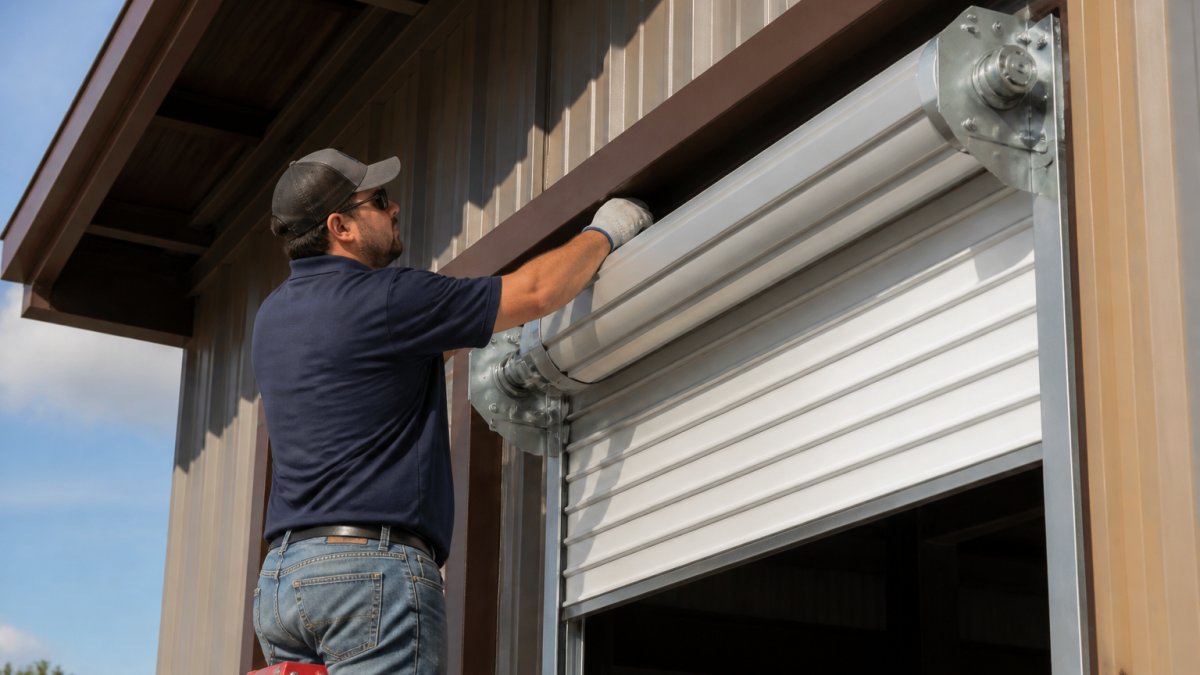
Industrial environments demand doors that perform consistently under heavy use. The Pre-Assembled Industrial Door (PAID) model from Buy Doors Direct features push-up manual operation with brackets and tensioner pre-assembled at the factory.
How to Choose the Right Pre-Assembled Roll-Up Door by Size and Use Case
Selecting the right pre-assembled roll-up door comes down to three things: an accurate opening measurement, a realistic read on how often the door will cycle, and the environment it faces. Get the measurement wrong and nothing else matters; get the use case wrong and you will replace the door early.
Measuring your opening: a practical checklist
Distinguish two numbers before you shop: the rough opening (the framed hole in the wall) and the door dimensions (the size of the door itself). Suppliers size doors to the opening, so measure the opening, not an old door.
- Measure width at the top, middle, and bottom of the opening.
- Measure height on the left, center, and right sides.
- Record the smallest width and the smallest height, because the door must clear the tightest point.
- Check that the header above the opening has room for the drum and brackets; roll-up doors need clearance above the opening, not just within it.
- Confirm the side jambs are solid and plumb enough to anchor brackets.
- Note the framing material (wood, masonry, or steel) because anchor type and installation time depend on it.
Openings are rarely perfectly square. If your measurements vary by more than a small margin, plan for shimming or framing adjustments rather than forcing the door.
Standard sizes and when to go custom
Common pre-assembled sizes include 6'W × 6'H, 8'W × 8'H, 10'W × 8'H, and 10'W × 10'H. If your opening falls outside these, ask about custom sizing. Custom orders change lead time and price, so confirm both before ordering.
Selection by use case and environment
| Use case | Cycle frequency | Recommended configuration |
|---|---|---|
| Residential garage or shed | A few cycles per day | Light-duty, non-insulated, manual push-up |
| Self-storage facility | Dozens of cycles per day | Mini-storage model, durable steel, quick-cycle hardware |
| Commercial warehouse or loading dock | High traffic, frequent cycles | Wind-rated, heavy-duty hardware, thicker gauge |
| Industrial or service bay | Heavy use, possible equipment exposure | Industrial push-up, pre-assembled brackets and tensioner |
Match the door to actual traffic, not building type. A detached workshop that opens twice a day does not need a loading-dock-rated door, and a busy self-storage bay will wear out a light-duty unit quickly.
Environment and code considerations
Wind exposure matters in coastal areas and regions with severe storms. Where local code adopts wind-resistance provisions, doors in high-wind zones may need certification to specific pressure ratings. According to the International Building Code standards for wind resistance, confirm the required rating with your local building authority before ordering. Corrosive environments, such as coastal salt air or wash-down bays, call for finishes and hardware that resist rust.
Understanding Roll-Up Door Suppliers and Where to Buy
The pre-assembled roll-up door market splits into three channels, and the right one depends on your project size, timeline, and how much support you need verifying fit. Most buyers compare sticker price only; the smarter comparison is total installed cost, which includes the door, freight, any site modifications, and labor.
Channel comparison
| Channel | Typical strength | Typical trade-off | Best for |
|---|---|---|---|
| Specialized roll-up door manufacturer | Deep standard-size inventory, wind-rating guidance, custom configurations | Shipping lead time; support is phone/email | Contractors and facility managers who need spec accuracy |
| General online retailer or marketplace | Convenience, occasional promotional pricing | Limited size range, variable support, you verify specs | Single residential or light commercial replacements |
| Local distributor | Same-day or next-day pickup, local delivery | Smaller inventory, often higher unit price | Urgent repairs and small jobs |
Specialized suppliers maintain inventory of common sizes and can confirm wind-load ratings and hardware compatibility before you order. General retailers are convenient but put the specification burden on you. Local distributors win on speed but rarely on price for standard sizes.
What drives total installed cost
A published starting price is only the first line item. Expect the final number to move with these factors:
- Door size and gauge. Wider and taller openings require heavier steel and larger drums, which raise both unit price and freight weight.
- Wind-load certification. Rated doors use heavier hardware and anchoring, adding cost but meeting code where required.
- Freight. Pre-assembled doors ship with brackets and tensioner attached, so they are heavier and bulkier than unassembled units. Ask for a delivered quote, not a unit price.
- Site conditions. Masonry versus wood framing, out-of-square openings, and header height all affect installation time.
- Labor. A two-person crew can typically hang a standard pre-assembled door in a few hours; complex or oversized openings take longer.
- Options. Custom colors, finishes, and non-standard sizes add lead time and cost.
A common pattern is to budget the door price plus freight plus a labor allowance, then add a contingency for site fixes. Get the freight quote in writing before committing, because oversize shipments can change the math.
Bulk orders and delivery coordination
For projects with 20 or more doors, such as a new self-storage facility or a commercial build-out, contact suppliers directly for volume pricing and staged delivery. Coordinating delivery to match your installation sequence avoids storing pre-assembled doors on site, where they are vulnerable to weather and damage before they are hung.
Frequently Asked Questions
What exactly comes pre-assembled with a pre-assembled roll-up door?
Pre-assembled roll-up doors typically arrive with brackets, tensioners, and the drum already installed on the door barrel. The chain-drive assembly or push-up mechanism is mounted and ready to operate. You still need to install the door into your opening, secure it to the frame, and make final adjustments. The goal is to eliminate weeks of assembly and reduce labor costs on site. Check the product listing or contact the supplier to confirm which components are pre-installed for your specific model.
How do I measure my opening to ensure a pre-assembled roll-up door fits?
Measure the width and height of your opening in three places each: top, middle, and bottom for height; left, center, and right for width. Use the smallest measurements to order a door that fits safely. Pre-assembled doors are sold in standard widths (typically 6 to 10 feet) and heights (6 to 10 feet). If your opening doesn't match a standard size, contact your supplier about custom options. Verify that the door you select includes any frame adjustments or trim needed for a tight fit.
What's the difference between commercial and residential pre-assembled roll-up doors?
Commercial roll-up doors are built for high-cycle use, heavier loads, and harsh environments like loading docks and storage facilities. They use thicker steel (often 18-gauge or heavier) and heavy-duty hardware. Residential doors are lighter, designed for sheds, garages, and home workshops, typically using 26-gauge steel. Commercial doors are wind-rated and certified for weather resistance. Choose residential for low-traffic applications and commercial for facilities with frequent open-and-close cycles or demanding weather exposure.
How much does shipping cost for pre-assembled roll-up doors?
Shipping costs depend on the door size, weight, your location, and order quantity. Heavier commercial doors cost more to ship than residential models. For bulk orders (20+ doors), many suppliers offer freight shipping quotes rather than standard parcel rates. Always request a full shipping quote before finalizing your purchase. Some suppliers include shipping in their listed price; others add it at checkout. Contact Roll Up Doors Direct or your chosen supplier for a detailed estimate based on your specific order.