 Listicle
7 Durable Residential Roll Up Doors That Hold Up
Last Updated: November 12, 2026
Quick Summary
Durable residential roll up doors are steel coiling doors made from interconnected slats that roll upward into a compact coil above the opening, and their durability comes from gauge, coating, and hardware quality rather than marketing claims. We rank them on steel construction and coating, operating mechanism quality, installation time, and ease of maintenance and repair.
- The North American garage overhead doors market is projected to reach USD 4.24 billion in 2026, up from USD 4.08 billion in 2025.
- The Model 750 carries a certified wind load rating, but the rating must match your area's requirements.
- The Model 1000 arrives pre-assembled, so confirm your opening dimensions before ordering.
- Ask for the assembly R-value, not just the slat rating, because joints and perimeter seals leak.
- Put your budget into gauge and hardware before cosmetics if you want a durable door without overspending.
Table of Contents
- Durable Residential Roll Up Doors at a Glance
- 1. Roll Up Doors Direct Model 650: The Durability Baseline
- 2. Roll Up Doors Direct Model 750: Certified Wind Load Rating
- 3. Roll Up Doors Direct Model 1000: Pre-Assembled for Fast Install
- Insulated Roll Up Garage Doors Residential Buyers Should Consider
- Roll Up Doors for Sheds: Sizing and Setup
- Reading Durable Residential Roll Up Doors Reviews
- Residential Roll Up Garage Doors Prices: What Drives Cost
- Frequently Asked Questions
Durable Residential Roll Up Doors at a Glance
Durable residential roll up doors are steel coiling doors built from interconnected slats that roll upward into a compact coil above the opening, and they earn that "durable" label through gauge, coating, and hardware quality rather than marketing language. The North American garage overhead doors market is projected to reach USD 4.24 billion in 2026, up from USD 4.08 billion in 2025, according to Market Data Forecast's North America garage overhead doors report, which tells you how many buyers are weighing the same decision you are.
At Roll Up Doors Direct, we have a bias worth stating up front: most homeowners overpay for features they never use and underspec the one thing that actually fails, which is the hardware.
Below, we break down three models we manufacture plus the insulated and shed-specific options worth considering, and we show you exactly what separates a door that lasts from one that sags in year three.
Quick comparison:
| Model | Best For | Standout Feature | Price Tier |
|---|---|---|---|
| Model 650 | All-around residential durability | Built as our most durable door | Budget |
| Model 750 | High-wind areas | Certified wind load rating | Mid-range |
| Model 1000 | Fast installation | Pre-assembled design | Mid-range |
| Insulated options | Climate control, noise | Foam insulation | Premium |
How We Picked These Doors
We ranked these doors on four criteria: steel construction and coating, operating mechanism quality, installation time, and how easy the door is to maintain and repair. Cycle rating and daily use matter too, since a door cycled four times a day wears very differently from one cycled forty times.
What most guides miss is that durability claims are hard to verify. A manufacturer can call a door durable without publishing gauge, coating thickness, or hardware specs. We only recommend doors where those details are stated or available on request.
1. Roll Up Doors Direct Model 650: The Durability Baseline
The Model 650 is the door we point to when a homeowner asks what "durable" should mean.
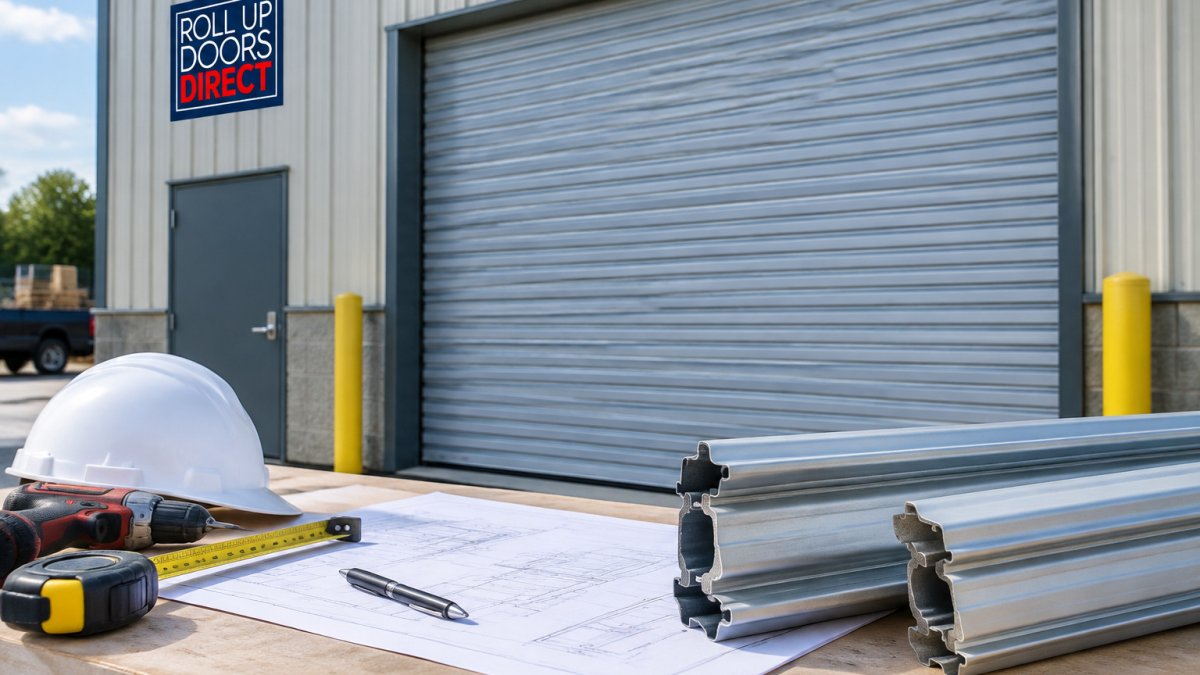
Steel slats form the door curtain.
Best for: homeowners who want a durable, no-fuss door at the lowest tier. Skip if: you live in a high-wind zone or need thermal performance.
You can review the full specs and ordering details on the Roll Up Doors Direct Model 650 page.
2. Roll Up Doors Direct Model 750: Certified Wind Load Rating
Wind is the failure mode that catches homeowners off guard. A cheap door that rattles in a storm is telling you the curtain and tracks are flexing, and repeated flexing loosens hardware over time.
The Model 750 carries a certified wind load rating.
One caveat: certification only helps if the rating matches your area's requirements. A rated door installed on an undersized opening still fails. If you are unsure what rating you need, read our guide on what wind load rating roll-up doors need before you order.
3. Roll Up Doors Direct Model 1000: Pre-Assembled for Fast Install
Labor is where residential roll-up door budgets quietly blow up. The Model 1000 arrives pre-assembled.
The trade-off is that pre-assembled doors ship as complete units, so confirm your opening dimensions before ordering. If you want to see how this model stacks up against other pre-built options, our roundup of pre-assembled roll-up doors you can buy online covers five models side by side.
Insulated Roll Up Garage Doors Residential Buyers Should Consider
Insulated roll up garage doors use foam-filled slats to slow heat transfer and dampen noise, and they are worth the premium if your door separates a conditioned space from the outdoors. For a detached workshop, a converted garage, or a home gym, insulation changes how the room feels in July and January. But most guides stop at "foam-filled" and never explain how to compare one insulated door against another, which is the part that actually determines comfort and energy use.
Start with the R-value. R-value measures thermal resistance, and for roll-up doors it is reported per slat or for the whole assembly. A higher number is better, but the assembly R-value is always lower than the slat R-value because the joints between slats and the perimeter seals leak. Ask for the assembly rating, not just the slat rating. If a seller cannot provide it, treat the insulation claim as marketing until proven otherwise.
Weather sealing matters as much as the foam. Look for brush or vinyl seals at the top, sides, and bottom, and a bottom astragal that compresses against the floor. A door with excellent slat insulation but poor perimeter sealing will still let cold air and noise through. In windy climates, the seal also reduces rattling and keeps dust and pests out.
Noise performance is separate from thermal performance. Foam-filled slats add mass and rigidity, which reduces the drumming sound of wind and rain and makes the door feel more solid. If your door faces a street or you work in the garage while others sleep, insulation is a practical noise upgrade, not just an energy one.
Climate suitability depends on what you are separating. In hot, humid climates, insulation helps keep a conditioned garage from gaining heat, but you also need a vapor barrier and sealed perimeter to control moisture. In cold climates, insulation slows heat loss from the house into the garage, but the door is only one part of the envelope; the ceiling, walls, and any shared wall matter too. In mild climates, the payback is mostly comfort and noise, not energy savings.
The catch is cost and weight. Insulated doors sit in a higher price tier, and the extra weight puts more demand on the operating mechanism. If you are comparing options, our breakdown of insulated versus uninsulated roll-up doors walks through where the difference actually shows up.
Watch out: adding insulation without checking the door's balance and spring tension can overload the operating mechanism and cause premature wear or unsafe operation.
Roll Up Doors for Sheds: Sizing and Setup
Sizing is where most shed projects go wrong. Measure the rough opening, not the finished frame, and account for the coil above the opening. A door needs headroom to roll into, and a shed built without that clearance cannot take a roll-up door without modification.
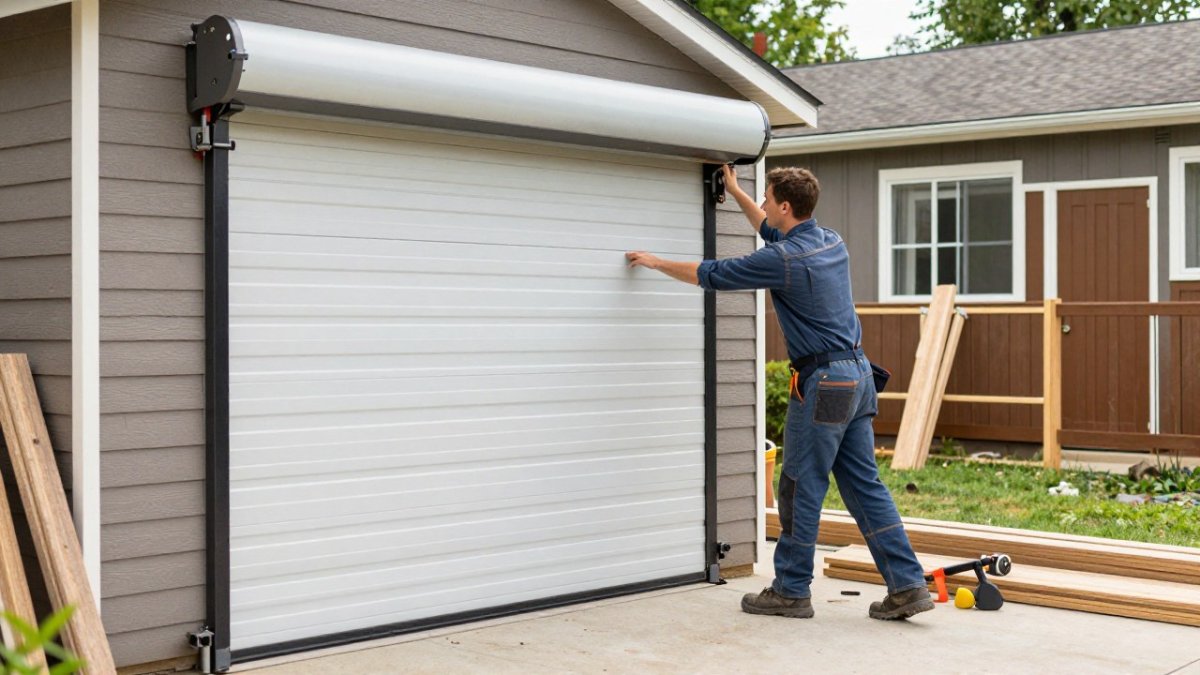
Installation itself is manageable for a DIYer. Our roll up door installation guide covers the sequence step by step, including how to set track alignment and tension the mechanism safely.
Watch out: skipping the ratchet tensioner step or releasing tension without the proper tool can let the curtain snap back, which is the most common injury in DIY roll-up installs.
Reading Durable Residential Roll Up Doors Reviews
Durable residential roll up doors reviews are useful, but only if you know which complaints signal real problems. Sort the feedback into three buckets: installation issues, hardware failures, and cosmetic wear.
Installation complaints usually trace back to the buyer, not the door. Misaligned tracks and improper tension cause most "it binds" reports. Hardware failures are the ones to take seriously, because springs, bearings, and rollers are what actually wear out.
One installer commenting in a Reddit garage door discussion cautioned that minor damage can make a roll-up door roll poorly, which is a fair point about any coiling design. Dents in the curtain can catch as the door travels. That is an argument for buying a door with thicker slats and keeping the opening clear, not an argument against roll-ups.
Ignore reviews that complain about appearance on an unfinished door. Factory-finished and unfinished finishes are both legitimate choices, and an unfinished door is meant to be painted.
Residential Roll Up Garage Doors Prices: What Drives Cost
Residential roll up garage door pricing depends on several variables, including door size, steel gauge, insulation, and motorized operation. Width and height drive material cost first, since a wider curtain needs more slats and heavier hardware.
Gauge is the second lever. Thicker steel costs more and resists denting better, which matters on a door facing a driveway. Insulation moves a door into a higher tier, and motorized operation with remote control and safety sensors adds the most. If you want a durable door without overspending, put your budget into gauge and hardware before cosmetics.
Installation is the cost most buyers underestimate. A manual door can be a DIY project if you are comfortable with tools and have a helper, but motorized doors require electrical work and safety sensor alignment. Hiring a professional adds labor, and in some areas a permit or inspection may apply. Ask your local building department whether a permit is required for a garage door replacement; requirements vary by jurisdiction.
Long-term ownership costs are where the real difference shows up. Springs, bearings, rollers, and cables wear out, and the cycle rating tells you how long they last. A door cycled four times a day wears very differently from one cycled forty times. Higher-cycle springs cost more upfront but reduce replacement frequency. Keep the tracks clean and lubricated, and the door will last closer to its rated cycle life.
Pricing depends on quantity, dates, and delivery. For current pricing on any model, check the Roll Up Doors Direct website or request a quote.
Frequently Asked Questions
How long do roll-up doors last?
Lifespan depends on steel gauge, cycle rating, and maintenance. A high-cycle door on a daily-use garage needs more frequent inspection. The supplied research does not include published product-life studies for residential roll-up doors, so ask the seller for the cycle rating and warranty terms before buying.
Can you get an insulated residential roll up garage door?
Yes. Insulated roll up garage doors residential buyers ask about most often use foam insulation inside the slats. Insulation helps with temperature swings and noise, which matters for attached garages and workshops. Confirm the insulation type and the door's wind rating together, since adding insulation changes the door's weight and how it performs under load.
What should I look for when comparing residential roll-up doors?
Check four things: steel gauge and slat construction, cycle rating for daily use, wind-load certification if you face severe weather, and warranty coverage for hardware. Confirm whether the door ships pre-assembled, since that can cut installation labor. Read durable residential roll up doors reviews for installation complaints more than for praise, because fit and track alignment cause most callbacks.
Are roll-up doors a good choice for sheds?
They work well for sheds because the door coils upward instead of swinging out, so you keep the full footprint of the shed and the approach clear. Roll up doors for sheds also resist wind better than light swing doors when properly anchored. Protect the curtain from impact and keep the tracks clear. Match the door width to your shed opening and confirm the header height before ordering.
What size roll-up door do I need for a garage or shed?
Measure the clear opening width and height, then confirm the headroom above the opening for the coil. For a shed, a door sized close to the opening width keeps weather out and looks finished. For a garage, leave room for the track and operating mechanism. Send your exact dimensions to the supplier, because residential roll up garage doors prices shift with size and specification.